What Is the Most Efficient Order to Clean Your House?
January 26, 2026
Efficiency is the key difference between a home that stays clean and one that feels messy again the next day. Many people clean frequently but still feel overwhelmed because the order of tasks works against them. Dust, pet hair, and everyday clutter often get redistributed instead of removed. Cleaning without a clear sequence can lead to repeated work and wasted energy. A logical order allows each step to support the next one. This approach is especially helpful for busy households with pets or children. In this article, a practical and realistic cleaning order is explained to help homes stay cleaner with less effort.
1. Start High and Dry: Dusting and Picking Up
Clear Surfaces and Floors of Clutter First
Removing clutter before cleaning creates immediate visual progress. Items left on surfaces block effective dusting and wiping. Toys, papers, and random objects often hide dirt underneath. Clearing these items makes later steps faster and more thorough. It also prevents dust from settling on items that will be moved anyway. This step sets the foundation for all other cleaning tasks. A clutter-free space is easier to maintain throughout the process.
Dust Ceilings, Shelves, and Furniture From Top to Bottom
Dust naturally falls downward due to gravity. Cleaning high areas first prevents recontaminating lower surfaces. Ceiling fans, shelves, and tall furniture collect dust that often goes unnoticed. If floors are cleaned first, falling dust creates extra work later. Working from top to bottom follows how dirt actually moves. This method ensures that dust ends up where it can be removed last. The result is a more efficient and thorough clean.
2. Focus on Pet Areas
Wash Pet Beds, Bowls, and Toys
Pet items collect hair, saliva, and odors faster than most household objects. Washing these items early prevents smells from spreading during cleaning. Clean pet beds reduce loose hair throughout the home. Bowls and toys can harbor bacteria if ignored. Addressing these items first improves overall hygiene. Fresh pet areas also discourage pets from shedding onto newly cleaned surfaces. This step creates a cleaner base for the rest of the home.
Vacuum or Sweep Pet Hair from Furniture and Floors
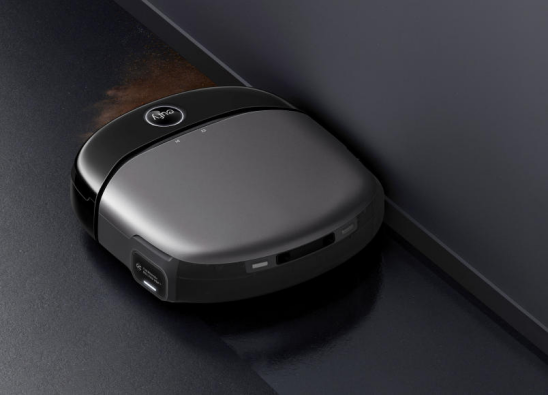
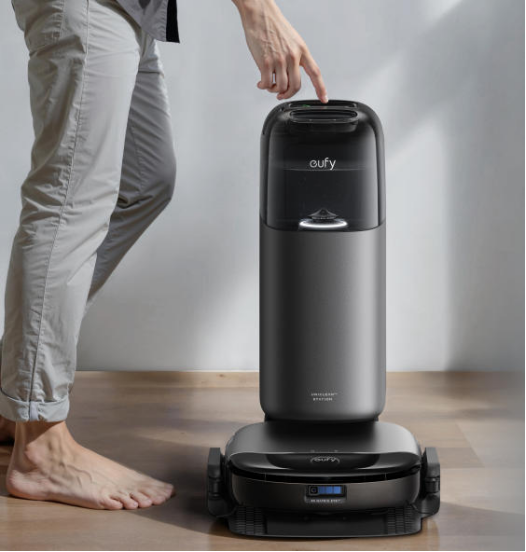
Pet hair spreads quickly across floors, sofas, and corners. Removing it before final floor cleaning prevents it from being redistributed. Furniture often traps hair that later falls onto clean floors. Consistent attention to pet zones saves time in the long run. Many households rely on automated help, and a robot vacuum for pet hair fits naturally into this stage by handling daily buildup without constant supervision. Options like the eufy robot vacuum are designed to navigate around bowls and furniture while maintaining consistent suction where pets spend the most time. This targeted approach keeps pet mess under control without interrupting daily routines.
3. Clean Kitchens and Bathrooms
Wipe Down Counters, Appliances, and Sinks
Kitchens accumulate grease, crumbs, and spills every day. Cleaning surfaces removes bacteria and prevents odors. Appliances like microwaves and handles are high-touch areas. Sinks collect residue that can harden if ignored. Addressing these areas after dusting avoids recontamination. A clean kitchen supports healthier daily habits. This step restores functionality and cleanliness at the same time.
Scrub Toilets, Tubs, and Showers
Bathrooms require focused cleaning due to moisture and germs. Soap residue and water spots build up quickly. Toilets and showers need disinfecting for hygiene. Cleaning bathrooms after dusting prevents particles from settling on wet surfaces. Using the correct order reduces streaks and residue. Regular attention prevents heavy buildup. This step protects both cleanliness and comfort.
4. Tackle Floors Last
Vacuum All Carpets and Rugs
Carpets trap dust, hair, and debris from every room. Vacuuming near the end ensures all fallen particles are removed. Rugs especially benefit from this timing. Cleaning them too early leads to repeat work. Consistent vacuuming improves air quality. This step ties together all previous efforts. Floors look noticeably cleaner when addressed last.
Mop Hard Floors from the Back of the House Forward
Mopping last prevents footprints on wet floors. Starting from the farthest point avoids walking over clean areas. Hard floors show dirt easily when cleaned out of order. Proper sequencing reduces streaks and residue. Clean floors enhance the entire space. Allowing floors to dry undisturbed improves results. This final step completes the process efficiently.
5. Finish with Laundry and Touch-Ups
Wash Towels, Rags, and Cleaning Cloths
Dirty cleaning tools spread bacteria if reused. Washing them resets the next cleaning cycle. Towels and cloths absorb odors quickly. Clean tools improve future efficiency. This step also prevents lingering smells. Fresh linens support overall hygiene. It closes the loop on the cleaning process. Restoring your tools to a like-new state is the best preparation for your next efficient cleaning session.
Take Out Trash and Recycling
Trash removal eliminates lingering odors immediately. Bags left behind undermine cleaning efforts. Recycling areas often collect dust and spills. Removing waste marks a clear finish point. It also prevents pests. This step reinforces the feeling of a clean home. Completion feels more satisfying when the waste is gone. When the final batch of trash is taken out, the space truly feels renewed, marking the satisfying completion of a thorough clean.
Conclusion
Cleaning efficiently depends more on order than effort. Starting high and working downward prevents repeat work. Addressing pet areas early controls one of the biggest sources of mess. Kitchens and bathrooms benefit from being cleaned after dust settles. Floors stay cleaner when handled last. Finishing with laundry and trash removal completes the cycle. With the right sequence, cleaning becomes faster, easier, and far more effective.