What Kind of Homes Most Need Security Cameras?
January 26, 2026
Security concerns have become a practical part of everyday home management rather than an abstract worry. Many households face small but frequent uncertainties, such as whether children arrived home safely, pets are behaving well, or deliveries were handled properly. Modern security cameras are no longer limited to crime prevention and are increasingly used as everyday monitoring tools that support peace of mind. Different living situations create different levels of need, and not every home benefits in the same way from added visual oversight. In this article, the focus is on identifying which types of homes most need security cameras and how these systems fit naturally into daily life.
1. Families with Young Children or Elderly Members
Monitor Children’s Safety Indoors and Outdoors
Homes with young children often require constant attention, especially during after-school hours and outdoor playtime. Security cameras provide a way to observe entryways, yards, or shared spaces without interrupting daily routines. Parents can quickly check whether children arrived home safely or are playing within safe boundaries. This kind of monitoring reduces anxiety during busy workdays when supervision is limited. Visual records can also help identify unsafe habits, such as climbing fences or opening doors to strangers. Over time, cameras become a supportive safety layer rather than a form of constant surveillance.
Keep an Eye on Elderly Relatives for Fall Risks or Health Issues
Elderly family members living at home may face mobility challenges that increase the risk of falls. Security cameras placed in common areas can help caregivers notice unusual inactivity or sudden movements. This visual awareness allows faster responses when assistance may be needed. Cameras also provide reassurance for family members who cannot be physically present throughout the day. Unlike intrusive monitoring, passive observation respects independence while improving safety. As daily routines become predictable, deviations are easier to notice and address early.
2. Households with Pets
Watch Pets When Owners Are Away
Pets often experience stress or curiosity when left alone, especially for long periods. Security cameras allow owners to check in remotely and confirm that pets are safe. This reduces unnecessary worry during work hours or short trips. Visual access can also help detect accidents or unexpected behavior early. Pets that tend to escape or access restricted areas can be monitored more effectively. Over time, this visibility supports better pet care and household harmony.
Monitor Pet Behavior and Prevent Destructive Habits
Some pets develop destructive habits when bored or anxious. Security cameras help identify patterns such as scratching furniture or chewing objects. Understanding these behaviors makes it easier to adjust routines or environments. Early observation can prevent long-term damage to the home. Cameras also help verify whether training methods are effective over time. This practical feedback supports more informed and compassionate pet management.
3. Homes in High-Risk or Remote Areas
Properties in High-Crime Neighborhoods
Homes located in higher-risk areas often face greater uncertainty regarding property safety. Security cameras act as a visible deterrent that can discourage opportunistic incidents. Recorded footage also provides clarity when suspicious activity occurs. Residents gain a stronger sense of control over their surroundings. Cameras help distinguish between normal neighborhood activity and genuine concerns. This clarity reduces unnecessary stress and improves daily confidence at home.
Isolated Rural Homes or Vacation Houses
Remote or seasonal properties are often unoccupied for extended periods. Security cameras allow owners to check conditions without traveling long distances. Visual monitoring helps confirm that no unexpected visitors or environmental issues have occurred. Weather-related concerns, such as fallen branches or damaged structures, can be noticed sooner. Cameras reduce reliance on neighbors or occasional inspections. This ongoing awareness protects both property and peace of mind.
4. Frequent Travelers or Busy Professionals
Keep Tabs on Empty Homes During Trips
Homes left empty during travel are more vulnerable to unnoticed issues. Security cameras provide real-time visibility into entry points and interior spaces. Travelers can quickly verify that doors remain closed and conditions are stable. This reduces the urge to constantly worry or rely on others for updates. Cameras also help detect problems like leaks or unexpected motion early. Consistent monitoring supports stress-free travel experiences.
Monitor Deliveries, Cleaners, or Repair Visits
Busy schedules often require third-party access to the home. Security cameras help confirm that deliveries are handled properly and services occur as planned. Visual records reduce misunderstandings about timing or access. This transparency supports accountability without direct supervision. Homeowners can verify that instructions were followed correctly. As a result, trust and efficiency improve in everyday home management.
5. Landlords or Multi-Family Housing
Secure Rental Properties and Common Areas
Rental properties benefit from clear oversight of shared spaces. Security cameras help discourage vandalism and misuse of common areas. Visual monitoring supports fair management without targeting individuals. Tenants often feel safer when entrances and shared zones are observed. Cameras also assist in resolving disputes objectively. This balanced approach protects property value while respecting residents.
Document Tenant Activities or Property Conditions
Property conditions can change quickly in rental environments. Security cameras provide time-stamped visual context when issues arise. This documentation helps clarify responsibility during maintenance discussions. Landlords gain a more accurate understanding of how spaces are used. Cameras also support preventative maintenance by revealing early signs of wear. Clear records reduce conflict and support smoother property management.
Conclusion
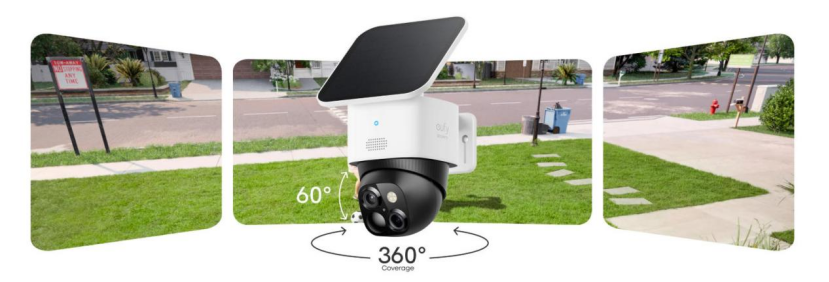
Security cameras meet different needs, from safety assurance to daily oversight. The best choice often comes down to flexibility, simple setup, and how well the system blends into daily life rather than feeling like an intrusion. For homes wanting reliable outdoor coverage without the clutter of wires, wireless outdoor security cameras —like those offered by eufy—can seamlessly fit into routines around family, pets, and travel. When a tool feels intuitive and truly useful, it’s more likely to be used consistently. Ultimately, the right security solution works quietly in the background, adapting to your life while staying reliably in place.