What Maintenance Do Home Solar Panels Actually Require?
February 12, 2026
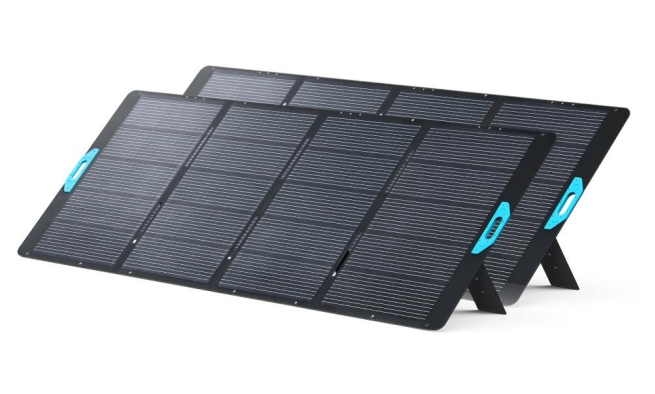
Home solar panels operate quietly and efficiently, but they still benefit from consistent care. While they are far less demanding than traditional fuel-based systems, they rely on clean surfaces, unobstructed sunlight, and periodic checks to perform at their best. Homeowners often assume maintenance involves difficult technical routines, but in practice, most tasks focus on inspection and prevention rather than repair. Portable technology such as the Anker SOLIX PS400 Portable Solar Panel helps illustrate these concepts because its adjustable angles and high-efficiency monocrystalline cells make the effects of dirt, shading, and positioning immediately visible. Understanding these patterns equips anyone managing a panels solar home system with clearer expectations for long-term upkeep.
The Core Maintenance Tasks for Long-Lasting Solar Performance
Regular Surface Cleaning Keeps Power Production Consistent
Clean panel surfaces are essential for reliable energy generation. Dust, pollen, bird droppings, and leaves all reduce the amount of sunlight that reaches the solar cells. Even a light film of dirt can reduce output, especially during seasons with limited daylight. Homeowners who monitor their production levels often notice small performance dips exactly when surface buildup increases. Cleaning usually requires nothing more than water, a soft brush, and a gentle approach to avoid scratching the glass. Portable solutions like the Anker SOLIX PS400 demonstrate this clearly. When its sunlight-trapping surface becomes dusty, charging slows down, and the improvement after wiping it clean is immediate. This visual feedback mirrors what happens on rooftop systems and reinforces the value of simple cleaning as part of routine maintenance.
Seasonal Inspection Ensures Panels Receive Full Sun Exposure
Solar output fluctuates based on seasonal changes, not just weather. In many regions, winter brings lower sun angles and longer shadows, while summer creates opportunities for maximum production. Homeowners who check shading patterns each season can identify new obstructions such as tree growth or nearby construction. Adjusting or trimming trees tends to restore lost sunlight and prevent long-term reductions in efficiency. The PS400 makes this principle easy to understand. Its four adjustable angles—30°, 40°, 50°, and 80°—show how even small changes in tilt or direction can influence charging speed. By observing how position affects its output, homeowners gain a clearer sense of how orientation, angle, and seasonal shading influence rooftop arrays as well.
Visual and Structural Checks Protect Against Damage Over Time
Although solar panels are built to withstand rain, wind, and temperature swings, they still benefit from routine visual inspections. Homeowners should look for cracks, loose wiring, corrosion around mounting brackets, or signs of animal activity. Catching minor issues early prevents more serious problems and keeps the system operating smoothly for decades. Portable panels provide a useful comparison here, too. When users fold, unfold, or transport the Anker SOLIX PS400, they naturally notice connection points, cable integrity, and frame condition. That same attentiveness applies to rooftop systems, where ensuring secure mounting and intact wiring plays a major role in long-term reliability.
Additional Maintenance Factors That Influence Long-Term Output
Weather Conditions Shape Cleaning Frequency and Inspection Timing
Climate plays a significant role in how often homeowners need to address solar maintenance. Desert regions may require more frequent cleaning due to dust and sand; coastal homes may face salt buildup; forested areas deal with heavy leaf fall. Seasonal storms also deposit debris, and hail or strong winds warrant post-weather inspections. The PS400, with its IP67 waterproof rating, demonstrates how equipment can be designed to withstand harsh environments. While rooftop panels are permanently exposed, portable panels allow users to observe how environmental conditions affect performance and durability—especially after rain, snow, or dust accumulation.
Inverter and System Checks Keep the Energy Flow Stable
While the panels themselves often receive the most attention, the inverter is the component that works hardest daily. It converts the DC electricity produced by the panels into usable AC power for the home. Homeowners should periodically verify that the inverter’s indicator lights, display readings, and error logs look normal. Proper ventilation around the inverter ensures safe operation and prevents overheating. Portable generation setups mirror this concept at a smaller scale. When connecting the PS400 to a power station, users see how stable voltage and sunlight conditions influence charging. This reinforces the idea that solar performance depends on the entire system, not only on the panels.
Performance Monitoring Reveals When Maintenance Is Needed
Modern solar homes often include apps or dashboards that track production trends. These tools help homeowners identify performance drops quickly. A sudden decline may signal shading, dirt buildup, or a malfunctioning component. Checking these metrics becomes part of routine maintenance. The PS400 shows the same principle in a simplified form: users can see output changes instantly when they adjust its angle, move it into better sunlight, or clean its surface. That real-time responsiveness helps reinforce the importance of continuous monitoring for rooftop systems, where subtle variations may indicate maintenance needs.
Conclusion
Home solar panels require far less maintenance than many homeowners expect, yet they still benefit from regular attention. Cleaning the surface maintains strong sunlight absorption, seasonal inspections help prevent shading losses, and structural checks ensure stability. External factors like weather patterns, inverter health, and system monitoring also shape long-term performance. Tools such as the Anker SOLIX PS400 Portable Solar Panel make these concepts easier to understand because they demonstrate how sunlight conditions, cleanliness, and positioning translate directly into energy output. By maintaining consistency in these routine tasks, homeowners preserve system reliability and maximize the return on their solar investment for years to come.